
If you’ve ever had a client say, “I want glowing skin—but I’m scared dermaplaning will make my hair grow back thicker,” you’re not alone.
This is one of the most common myths we hear in aesthetic clinics.
Let’s clear it up—scientifically, professionally, and from years of hands-on experience in our own treatment rooms.
What Is Dermaplaning?
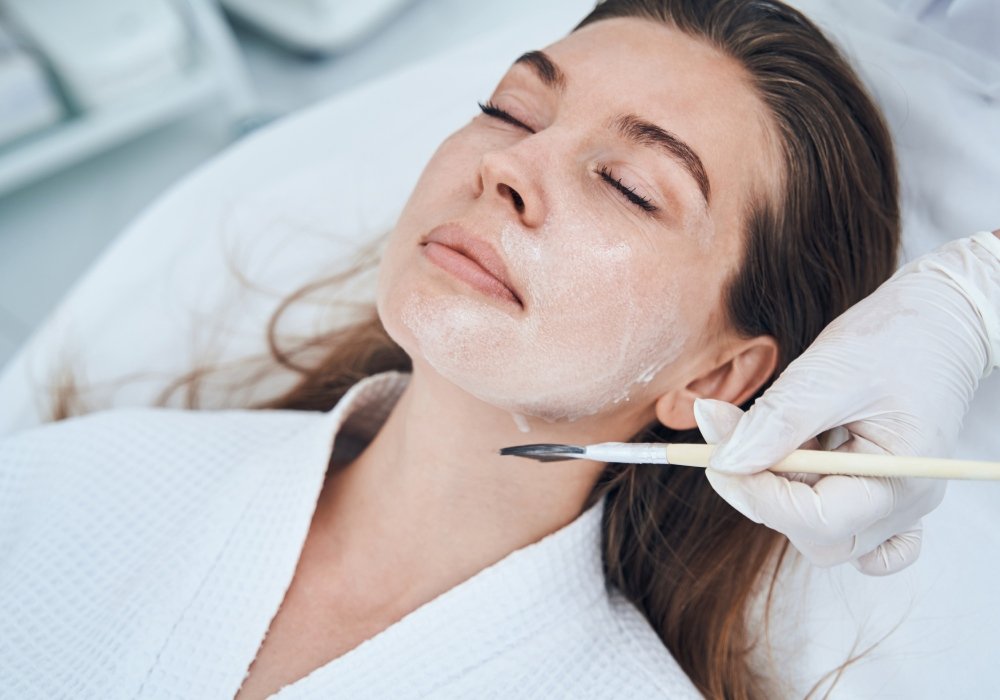
Dermaplaning is a quick, painless exfoliation treatment that uses a sterile surgical blade to remove dead skin and fine “peach fuzz.”
It instantly reveals smoother, brighter skin and helps products absorb better. The treatment takes about 20–30 minutes with no downtime, leaving skin soft, radiant, and makeup-ready.
Think of it as a gentle polish for your face—safe for most skin types and perfect before events when you want that flawless, camera-ready glow.
The Science Behind Hair Regrowth
Before we dive into the myths, it helps to understand what actually controls hair growth. Many clients assume that shaving or dermaplaning changes how hair grows, but that’s not how skin biology works. Hair growth is determined by what happens beneath the surface—not on top of it.
Here’s the truth backed by dermatologists and clinical research:
Dermaplaning does not change how hair grows.
Why? Because:
- Hair follicles live beneath the skin. They’re responsible for producing hair, and dermaplaning never reaches that level—it only exfoliates the surface.
- Shaving or dermaplaning does not change the hair’s thickness, color, or growth rate — it simply removes hair at the surface of the skin.
- Cutting vellus hair (the fine peach fuzz) simply gives it a blunt tip, which can feel slightly different at first—but the hair’s texture, color, and growth speed remain identical.
In short, dermaplaning doesn’t alter your hair, it only removes the dull, dead layer that hides your glow. The regrown fuzz feels the same as before and comes back at its normal pace. It might feel a bit different initially, but that’s just perception—not biology.
Why Hair Might Feel Thicker After Dermaplaning
Many people notice their skin feels a little “stubbly” a week or two after dermaplaning. Don’t worry — that’s completely normal.
Here’s why it happens:
- When vellus hair regrows, the blunt tip (from being cut) can feel different than its naturally soft, tapered end.
- Light reflection on new hair can create the illusion that it’s darker or thicker.
- Because your skin is so smooth right after treatment, you simply notice the regrowth more.
Once the new fuzz softens — usually within a few days — it feels exactly the same as before.
💡 Pro Tip: A few days after your treatment, gently exfoliate to keep your skin smooth and help new hair blend in evenly. Follow up with a hydrating serum to maintain that soft, post-dermaplaning glow.
Dermatologist-Approved Benefits of Dermaplaning
Dermaplaning isn’t just about removing peach fuzz—it’s a gentle but powerful exfoliation method with multiple skin benefits.
A 2023 studyfound that removing the stratum corneum—the skin’s outermost layer—significantly increased the penetration of topical ingredients. In other words, once that barrier of dead skin is lifted, your skincare products can work far more effectively.
Below are the top dermatologist-approved benefits that make dermaplaning a favorite in aesthetic clinics and medspas.
Instantly Smoother Texture and Radiance
Dermaplaning removes dead cells that dull your complexion, revealing fresh, healthy skin underneath. Most clients notice an immediate improvement in tone and softness right after their session—no downtime required.
Brighter, More Even Skin Tone
By lifting away buildup and light surface pigmentation, dermaplaning helps even out skin tone over time. It enhances natural luminosity, giving your face a smooth, “lit-from-within” glow that looks great even without makeup.
Softer Fine Lines and Better Product Penetration
When the outermost skin layer is gone, serums and moisturizers absorb more deeply. This means anti-aging ingredients like vitamin C and peptides can work more effectively, helping visibly soften fine lines and improve overall skin texture.
Makeup Applies Flawlessly
Without dead skin or peach fuzz in the way, makeup sits evenly and blends effortlessly. Many clients say the foundation finally “melts into” their skin instead of clinging to dry patches or hair.
Gentle and Safe for Most Skin Types
Dermaplaning is non-invasive and suitable for most skin types—including dry, dull, or sensitive skin—when performed by a trained aesthetician. It offers visible results without chemicals, heat, or recovery time.
💡 Pro Tip: Pair dermaplaning with a calming or hydrating mask (like niacinamide or hyaluronic acid) right after treatment. It helps lock in moisture, reduce redness, and boost your post-glow results even more.
Common Myths About Dermaplaning and Hair Growth
There’s a lot of confusion online about what dermaplaning does to your facial hair. Many clients hesitate because of outdated myths or viral misinformation. Let’s set the record straight with real facts and dermatologist-backed science.
Myth 1 — “Dermaplaning Is the Same as Shaving”
Many people assume dermaplaning and shaving are identical—but they’re not.
Shaving uses a standard razor and focuses on hair removal, while dermaplaning uses a sterile surgical blade to exfoliate dead skin and remove vellus hair. It delivers deeper skin-smoothing benefits and is performed under professional conditions for optimal safety and results.
Myth 2 — “Dermaplaning Stimulates New Hair Growth”
Some believe that removing hair triggers more growth, but that’s not how hair biology works.
There’s no follicle stimulation involved. Dermaplaning works only on the surface of your skin, not within the follicle itself.
No new follicles = no new hair. The rate and pattern of growth stay exactly the same.
Myth 3 — “It Causes Breakouts or Ingrown Hair”
This one mixes a little truth with misunderstanding.
When done incorrectly or with non-sterile tools, dermaplaning can irritate skin—but professional treatments are the opposite.
When performed safely, dermaplaning actually reduces congestion by removing buildup and dead skin, making it less likely for pores to clog or for breakouts to occur.
Myth 4 — “It’s Unsafe for Hairy Skin”
Having more facial hair doesn’t automatically make you a bad candidate for dermaplaning.
Even clients with moderate or thicker vellus hair can benefit. Professionals simply adjust technique and frequency to match your skin type and comfort level.
It’s all about personalization—because every face (and every fuzz) is unique.
When Dermaplaning Is Safe (and When to Avoid It)
Dermaplaning is best for:
- Dull or dry skin
- Post-acne marks and uneven tone
- Fine hair or rough texture
Avoid it if you have:
- Active breakouts, cystic acne, or open lesions
- Rosacea or eczema flare-ups
- Recent chemical peels or retinoid use
What to Expect After Dermaplaning
Right after your dermaplaning session, your skin will look and feel incredibly smooth—almost like silk. Most clients notice an instant glow because the dull surface layer has been gently removed.
It’s normal to experience slight redness or sensitivity for about 30–60 minutes. This simply means your skin is freshly exfoliated and ready to absorb hydration. You can return to normal activities the same day—just keep your skin protected and nourished.
Immediately after treatment
You’ll notice your skin feels softer than ever—the “baby skin” effect many clients love. A bit of pinkness or warmth may appear, especially on sensitive areas like the cheeks or jawline, but it usually fades quickly. This is simply your skin’s natural response to exfoliation and increased circulation.
What to expect:
- Skin feels ultra-smooth and clean
- There may be mild redness for 30–60 minutes
You can apply a light, fragrance-free moisturizer or soothing serum right away to lock in hydration and calm the skin.
To maintain results
Your post-dermaplaning care determines how long your glow lasts. Since the top layer of skin has been freshly exfoliated, it’s more receptive—but also more sensitive—for a few days. Treat it gently.
Aftercare essentials:
- Apply hydrating serum and broad-spectrum SPF 30+ daily to protect your new skin
- Avoid strong exfoliants, acids, or retinoids for at least 3 days to prevent irritation
- Schedule treatments every 4–6 weeks to maintain that consistently smooth, luminous texture
💡 Pro Tip: Finish with a cooling or hydrating serum after each treatment to calm redness and amplify your glow. Ingredients like niacinamide or hyaluronic acid help your skin recover faster and stay radiant longer.
At-Home vs. Professional Dermaplaning
You can buy at-home dermaplaning tools—but there’s a big difference in safety and precision.
| Aspect | Professional Dermaplaning | At-Home Tools |
|---|---|---|
| Blade Type | Surgical-grade sterile blade | Cosmetic or disposable |
| Sterility | Medical standards maintained | Risk of contamination |
| Technique | Trained aesthetician | Variable, depends on skill |
| Results | Deeper exfoliation, lasting glow | Mild exfoliation |
| Risk | Minimal when done correctly | Higher risk of cuts/infection |
💡 Pro tip: For acne-prone or sensitive clients, always opt for professional sessions—better control, better results, and no bacterial spread.
The Bottom Line
Let’s settle it once and for all:
Dermaplaning does not make hair grow back thicker or darker.
It’s one of the safest, simplest ways to achieve smoother, brighter skin—when done professionally.
At our clinic, we’ve seen hundreds of clients walk out glowing (and relieved the science backs it up).
If you’ve been hesitant to try dermaplaning because of myths, let this be your sign to go for it—with a trained aesthetician who knows your skin. At Brows and A’more Aesthetics, we perform safe, sterile, and personalized dermaplaning to help you achieve that smooth, radiant glow confidently and worry-free.
✨ Smooth skin, same soft fuzz—just better results.
FAQs — Hair Growth and Dermaplaning
1. How long does it take for hair to grow back?
Hair usually grows back within 2–3 weeks after dermaplaning. Regrowth speed depends on each person’s natural hair cycle, not the treatment itself. Skin stays smooth for weeks before the fine vellus hair reappears naturally.
2. Will it grow back darker?
No. Hair color is determined by melanin levels in the follicle, which dermaplaning doesn’t affect. It might look darker initially because of the blunt edge, but it remains the same soft, light vellus hair.
3. Can it cause thicker hair if I have hormonal issues?
If you have hormonal imbalances (like PCOS), hair may naturally grow thicker—but dermaplaning doesn’t trigger that change. The treatment only removes surface hair; it doesn’t alter hormonal activity or follicle behavior.
4. How often should I get dermaplaning?
For best results, schedule sessions every 4–6 weeks. This timing allows your skin to fully renew between treatments while maintaining a consistent glow and smoother texture without over-exfoliating.
5. What’s the best post-treatment routine?
After dermaplaning, keep it simple: use a gentle cleanser, hydrating serum, and SPF 30+ daily. Avoid scrubs, retinoids, or acids for 3 days to protect your skin barrier and lock in hydration.