

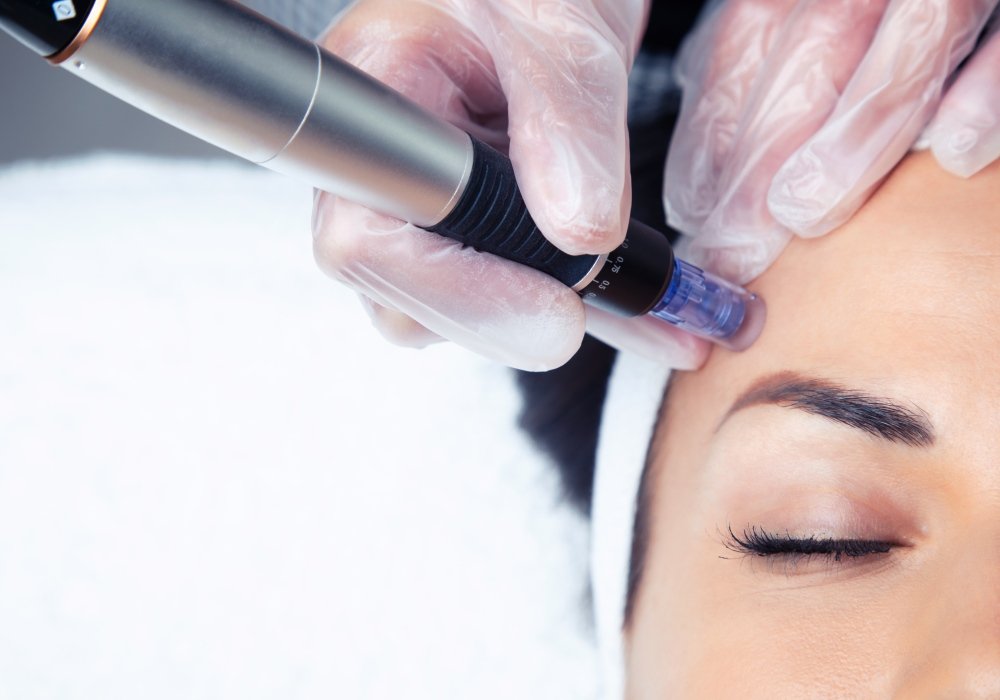
Microneedling can transform your skin — but how well you heal depends on what you do after the appointment. Your collagen is working overtime in the first week, and the choices you make will either support that process or slow it down.
I’ve personally had treatments where I followed aftercare perfectly (glowing skin, smooth texture)… and times where I rushed back to my routine too soon (redness that lingered for days). So trust me when I say: aftercare matters just as much as the microneedling session itself.
Let’s break down the exact steps you need to recover quickly and achieve the best possible results.
What Microneedling Does and Why Aftercare Matters
Microneedling triggers controlled micro-injuries to the skin, which encourage collagen and elastin production. This activates your skin’s natural repair process — but that repair can only happen efficiently if the skin stays protected and hydrated.
How Microneedling Works on the Skin
Microneedling creates thousands of tiny micro-channels on the surface of your skin. These controlled micro-injuries activate your skin’s natural healing response. Here is what happens:
- The skin immediately begins repairing itself by producing fresh collagen and elastin
- Cell turnover increases, helping renew the surface layer
- Texture concerns, such as scars, enlarged pores, fine lines, and uneven tone, gradually improve
Because your skin is technically “open” for the first few hours, it is more sensitive and more absorbent. This makes your product choices especially important during early recovery to support healing and avoid irritation.
Why Proper Aftercare Directly Impacts Healing and Final Results
Dermatology reviews show that inadequate aftercare significantly raises the risk of complications such as infection and uneven texture, and can delay the disappearance of redness beyond the usual 24 to 48-hour timeframe.
Good aftercare helps control inflammation, protects your barrier, and supports smooth collagen formation, leading to better results and less downtime overall.
Your Microneedling Recovery Timeline
Understanding what happens during the first week helps you know what is normal and what to expect. Your downtime depends on how deep the needles went, how sensitive your skin is, and how closely you follow your aftercare routine. Most people fall within a three to seven-day healing window, with deeper sessions taking a bit longer.
What to Expect Immediately After the Session (Day 0)
The moment your treatment ends, your skin enters repair mode. It is common for your face to resemble a moderate sunburn because the tiny channels created by the needles trigger an immediate healing response. You may notice your skin feels:
- Warm
- Pink or red
- Tight
- Slightly swollen
Your provider will usually apply a soothing serum or gel to calm the skin, and it is essential to avoid all other skincare for the rest of the day. Day 0 is when your skin is most vulnerable, so keeping it undisturbed allows healing to begin smoothly.
The First 24 Hours
This is the period when good aftercare has the most significant impact. The redness usually begins to settle, but your skin may still feel dry or a little sensitive. It is also normal that you will not see any peeling yet. During the first full day of healing, you may notice:
- Redness starting to fade
- Slight dryness or tightness
- Mild sensitivity
- No flaking at this stage
To protect your results, stick to gentle hydration and avoid sweating, touching your face, or applying makeup. These small steps help prevent irritation and keep micro-injuries clean as they begin to heal.
Days 1–7: Typical Healing Stages
Microneedling recovery is gradual, and each day brings minor improvements. Most people experience a predictable pattern:
- Day 1–2: Pink skin, tightness, mild swelling
- Day 3: Light peeling or a sandpaper-like texture
- Day 5: Skin tone begins to even out
- Day 7: A visible glow and smoother appearance
Although your skin looks healed mainly by the end of the week, collagen production continues beneath the surface for several more weeks. This is why results keep improving long after the redness disappears.
When Visible Improvements Usually Start
Most people start to see early improvements around week two as the skin becomes smoother and more refined. The full benefits appear between four and six weeks when new collagen has fully developed. If you have had microneedling before, you may already be familiar with this slow-and-steady glow that becomes more noticeable over time.
Essential Aftercare Tips to Maximize Results
Good aftercare speeds healing and improves outcomes. Think of this stage as protecting the collagen your skin is working hard to build. The better you treat your skin in the first week, the smoother, brighter, and more even your results will be.
Keep the Skin Clean and Hands Off
Right after microneedling, your skin is more absorbent and vulnerable. This makes it extra important to keep bacteria away while your barrier recovers. To prevent irritation or infection:
- Do not touch your face
- Do not wash your face for the first 4 to 6 hours
- When cleansing after 24 hours, use a mild, fragrance-free cleanser
- Avoid scrubbing or rubbing the skin
Even clean hands carry oils and bacteria, so keeping your hands off your face protects the tiny micro-channels created during treatment.
Support Healing with Hydration and Soothing Products
Your skin needs moisture to repair itself properly. Hydration helps reduce dryness, flaking, and tightness while maintaining steady collagen production. You can use:
- Hyaluronic acid to draw in moisture
- Ceramide moisturizers to rebuild the skin barrier
- Peptide serums after Day 3 to support healing
Avoid strong products during the first week, including:
- Retinoids
- Vitamin C
- Acids such as AHAs and BHAs
- Physical exfoliants
These ingredients are usually great for skin health, but right after microneedling, they can be too intense and cause stinging or redness.
Protect Your Skin from Sun Exposure
Freshly treated skin is more prone to pigmentation, so sun protection is essential. Intense UV exposure during the first few days can affect your results. Protect your skin by:
- Applying SPF 30 or higher starting at 24 hours
- Avoiding direct sun for 72 hours
- Wearing a hat when outdoors
Think of sunscreen as your collagen insurance. It keeps the new collagen protected, helping your skin heal evenly.
How to Layer Skincare Safely in the First Week
Your skin needs time to rebuild its barrier after microneedling. A simple, gentle routine works best. Follow this safe timeline:
- Day 1 to 2: Hydration only
- Day 3 to 5: Add a gentle moisturizer or light serum
- Day 5 to 7: Slowly reintroduce vitamin C or other active ingredients
Reintroducing products gradually prevents irritation and keeps healing on track.
When Makeup Becomes Safe Again
Most dermatologists recommend waiting at least 24 to 48 hours before applying makeup. This gives your skin time to close the micro-channels created during treatment. When you do return to makeup:
- Use clean brushes or sponges
- Choose lightweight, non-comedogenic formulas
Dirty brushes can introduce bacteria to sensitive skin, so make sure everything is freshly cleaned before use.
Tailored Aftercare for Specific Skin Needs
Different skin types respond differently to microneedling, so adjusting your aftercare helps ensure a smoother recovery and better results. Knowing what your skin needs enables you to avoid irritation and get the most benefit from each session.
Acne-Prone Skin
If you are prone to breakouts, keeping your skin calm and clean is essential. Focus on gentle hydration rather than aggressive acne products. A simple routine works best:
- Stick to non-comedogenic moisturizers
- Avoid acne actives until Day 5 to 7
- Keep the skin clean without over-washing
Too much cleansing can lead to more redness and irritation, so aim for balance rather than stripping the skin.
Sensitive or Reactive Skin
Sensitive skin needs a very gentle approach after microneedling. Using soothing, low-irritation products helps prevent flare-ups. Try:
- Fragrance-free skincare only
- Adding niacinamide on Day 3 to reduce redness
- Avoiding hot water, which can worsen sensitivity
These steps help you heal comfortably while minimizing inflammation.
Treating Pigmentation or Aging Concerns
Microneedling is highly effective for pigmentation and aging, but proper aftercare can deliver even better results. Make sure to:
- Use strict sun protection every day
- Return to brightening serums after Day 5
- Support collagen with peptides and retinoids once a week has passed
This combination helps your skin stay smooth, even-toned, and firm as new collagen develops.
Enhancing and Extending Your Results
Microneedling jumpstarts collagen production, but your daily habits determine how long those improvements last. A thoughtful routine helps your skin stay smooth, bright, and firm long after the initial glow fades.
Long-Term Skincare Habits to Maintain Improvements
Keeping your results requires steady, simple habits that support your skin barrier and protect new collagen. Focus on:
- Using SPF daily to prevent sun damage
- Keeping your skin moisturized to maintain elasticity
- Exfoliating gently after week one to keep the texture smooth
- Maintaining a consistent skincare routine
These steps help preserve your glow and prevent future concerns from returning too quickly.
When to Schedule Your Next Microneedling Session
Microneedling works best as a series. Most clients see the most substantial improvements with:
- 3 to 6 sessions
- Spaced 4 to 6 weeks apart
- Maintenance every 6 to 12 months
This timing keeps collagen production active and gradually builds the smoother, firmer skin you want.
How to Support Collagen Production After Healing
Supporting your skin after it heals keeps results looking fresh and lasting longer. You can help your collagen by using:
- Peptides for skin strength
- Retinoids to boost cell turnover
- A protein-rich diet to support healthy repair
- Daily sun protection to prevent collagen breakdown
These choices help your skin stay firm, smooth, and healthy as your results continue to develop.
Professional vs. At-Home Microneedling Tips
Professional and at-home microneedling may seem similar, but the safety and results are very different. These differences can affect how your skin heals and how long your downtime lasts.
Why Professional Aftercare Guidance Matters
Professional treatments are safer and more controlled, which leads to smoother healing. Clinics provide:
- Medical-level sterilization
- Accurate and adjustable needle depth
- Personalized aftercare instructions
- More consistent results
This support helps your skin recover faster and lowers the chance of irritation or complications.
Risks of DIY Tools and Why Downtime Is Often Worse
At-home microneedling carries higher risks because the devices are less precise and more complex to keep sterile. Research shows:
- Infection risk may increase by up to 70 percent
- Needles dull quickly and can scratch the skin
- Needle depth is uneven
- Results are usually minimal
These issues often lead to redness, breakouts, and longer downtime. Many people end up seeking professional help after trying DIY tools.
Final Takeaway
Microneedling results depend heavily on good aftercare. When you protect your skin, hydrate consistently, and avoid irritation, you see faster healing, a more noticeable glow, and longer-lasting results. Small choices, such as choosing the right moisturizer or avoiding heat for 48 hours, can make a big difference in how your skin transforms.
At Brows and A’more Aesthetics, we make this process easier for you. We do more than perform the treatment. We guide you through healing step by step. From recommending the right aftercare products to checking in on your progress, we help you recover confidently and get the most out of every session.
If you want personalized advice, tailored recommendations, or a treatment plan designed for your skin, we are here to support you through every part of your journey.
Frequently Asked Questions
How Long Is Downtime?
Most people heal within two to five days. Lighter treatments settle quickly, while deeper sessions may cause redness or swelling for a day or two. Staying hydrated and avoiding irritation helps your skin recover more evenly.
How Soon Can I Resume My Routine?
You can start gentle cleansing and basic hydration after twenty-four hours. By day three, most people can add simple moisturizers or calming serums. Wait until days five to seven before reintroducing vitamin C, retinoids, or acids. If anything stings, pause and try again later.
What If My Skin Looks Worse Before It Looks Better?
Flaking or dryness around day three is typical. Your skin is shedding older cells, so newer, smoother skin can appear. Avoid picking or exfoliating to prevent irritation. Keeping the skin hydrated helps the dryness pass quickly.
Who Heals Faster and Why?
People with a strong moisture barrier tend to heal faster and experience less inflammation. Good hydration, gentle skincare, and avoiding harsh products before your appointment support quicker, more comfortable recovery.