

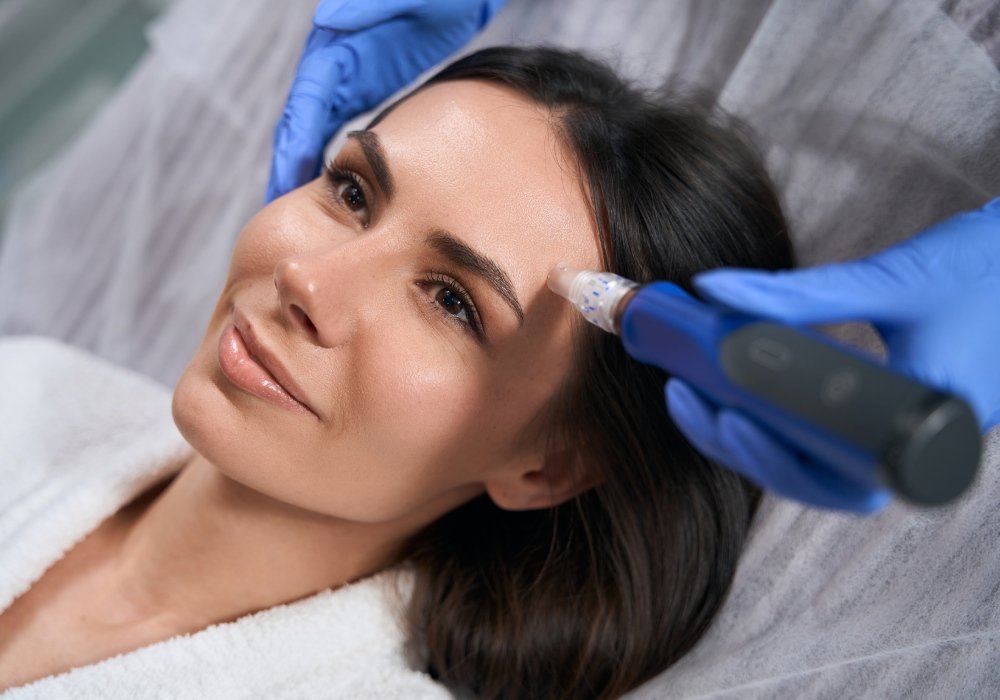
If you’ve ever looked in the mirror and wished your skin looked smoother, brighter, or more refreshed, microneedling has probably caught your attention. It’s one of today’s most trusted treatments for boosting collagen naturally, and when done professionally, the results can be impressive. Still, like many clients, I had plenty of questions before my first session.
This guide answers the most common questions people ask about microneedling, along with the myths that often create confusion. Let’s break it down clearly so you can decide if microneedling is the right choice for your skin.
Microneedling Safety Questions
Safety is always the first thing clients ask about, and that’s precisely where we should begin.
Is Microneedling Safe?
Yes — clinical microneedling is considered a low-risk treatment when done by a licensed provider using sterile, medical-grade devices. It creates controlled microchannels in the skin to stimulate collagen safely.
At-home dermarollers, however, don’t offer the same control or hygiene. I tried one long before I understood the risks — and my skin stayed irritated and rough for days. A professional session feels completely different: smoother, cleaner, and much safer.
Does Microneedling Hurt?
Most clients describe it as a mild prickling or vibration. A numbing cream is applied beforehand, which makes the treatment surprisingly tolerable. Sensitive areas like the forehead may feel sharper, but the discomfort is brief.
Who Should Avoid Microneedling?
Microneedling may not be right for you if you have:
- Active acne or infection
- Eczema or psoriasis in the treatment area
- A history of keloids
- A fresh sunburn
- Pregnancy (for most devices)
- Recent Accutane use
If you’re unsure, we can help determine whether your skin is ready.
Is Microneedling Safe for Darker Skin Tones?
Yes — microneedling is safe for all skin tones, including Fitzpatrick IV–VI. It does not use heat, making it a great option for people prone to hyperpigmentation.
Are There Any Side Effects?
Expect mild and temporary effects such as:
- Redness (like a sunburn)
- Slight swelling
- Light flaking
- Tightness
These typically resolve within 24–72 hours.
Treatment Experience & Comfort
Most clients want to know exactly what will happen during their session. Here’s a simple, honest look at what you can expect from start to finish.
How Long Does a Microneedling Session Take?
A typical appointment takes 45–60 minutes, which includes about 20–25 minutes of numbing. The actual needling portion is quick, usually 10–20 minutes, depending on the areas treated.
Will I Bleed During Microneedling?
Light, pinpoint bleeding is common, especially when treating deeper acne scars. It stops quickly and is part of the typical response. You won’t leave the clinic looking bloody — your skin will look pink, similar to a fresh sunburn.
How Deep Do the Needles Go?
Depth ranges from 0.25 mm to 2.5 mm, depending on your concern:
- Superficial texture: shallow
- Acne scars: deeper levels
- Under eyes: very shallow
A trained provider carefully adjusts the depth in each area to maximize results without causing unnecessary irritation.
Can I Go to Work After?
Yes — most people resume work the same day. Expect some redness for a few hours, but it fades quickly. Many clients plan for a lighter schedule or remote work on treatment day.
Can I Exercise After Microneedling?
It’s rare in a professional setting. Issues typically happen only when the skin is inflamed before treatment or aftercare is ignored. Following your provider’s instructions keeps the risk extremely low.
Eligibility & Skin Types
Microneedling works for many skin types, but some conditions require extra care. Understanding how your skin reacts helps us tailor the treatment safely and effectively.
Is Microneedling Suitable for Sensitive Skin?
Yes — sensitive skin often does well with microneedling when the settings are gentle. It can even strengthen the skin barrier over time.
We simply avoid aggressive depth and recommend gentle, hydrating aftercare to prevent irritation.
Can I Get Microneedling if I Have Rosacea?
Possibly.
Mild, well-managed rosacea may benefit, but active redness or inflammation must be controlled first. Your provider will assess your symptoms and adjust the plan based on how reactive your skin is.
Can People With Melasma Get Microneedling?
Yes — microneedling is heat-free, making it safer for melasma than many lasers.
However, melasma is easily triggered, so strict sun protection and a pigment-safe routine are essential to avoid rebound darkening.
Is It Safe If I Have a History of Keloids?
If you are prone to true keloids, microneedling may not be recommended.
Keloid-prone skin can overreact to even minor injuries, so your provider will carefully evaluate your history before proceeding.
Expected Results and Treatment Experience
Once clients feel confident about safety, the next thing they want to know is how microneedling will actually transform their skin — and how quickly. Here’s what you can realistically expect before, during, and after your treatment course.
What Skin Concerns Does Microneedling Treat?
Microneedling targets several common concerns by stimulating collagen and improving overall skin quality. It helps with:
- Uneven texture
- Dull or tired-looking skin
- Fine lines
- Acne scars
- Enlarged pores
- Stretch marks
- Mild skin laxity
Because it works with your body’s natural healing, results look gradual, natural, and consistent.
How Soon Will I See Results?
Microneedling results build gradually as collagen forms. Most clients notice:
- 3–5 days: A fresh, healthy glow
- 2–3 weeks: Smoother texture and more even tone
- 6–12 weeks: Visible improvement in scars, pores, and fine lines
- 8–12 weeks: Full collagen remodeling
I’ve personally found that each session makes the next one more noticeable — it’s a cumulative process.
How Many Sessions Do I Need?
The number of sessions depends on your goals:
- 3 sessions → texture + tone
- 3–4 sessions → fine lines
- 4–6 sessions → acne scars
- 4–6 sessions → stretch marks
Sessions are spaced 4–6 weeks apart so the skin can heal and build new collagen between treatments.
How Long Do Results Last?
Results typically last 6–12 months, depending on your skincare routine, sun exposure, and overall skin health. Most clients — including myself — maintain results with 1–2 microneedling sessions per year.
Is There Downtime?
Downtime is minimal. Expect:
- Redness for 24–48 hours
- Mild tightness
- Occasional dryness or flaking
Most people return to their usual activities the next day, especially if they don’t mind a little temporary redness.
What Should I Avoid After Treatment?
Your skin is sensitive after microneedling, so avoid it for 48 hours:
- Makeup
- Sweating and workouts
- Saunas and steam
- Sun exposure
- Retinol, acids, and exfoliants
Focus on hydration, gentle products, and SPF to support healing and get the best results.
Pre-Treatment Prep
Good preparation helps microneedling work better and ensures your skin responds smoothly. A few minor adjustments before your appointment can make a big difference in comfort and results.
What Should I Avoid Before Microneedling?
To prevent irritation and make sure your skin is in its healthiest state on treatment day, avoid the following for 5–7 days:
- Retinol
- Chemical exfoliants (AHAs/BHAs)
- Waxing or threading
- Tanning beds
- Prolonged sun exposure
Staying hydrated and using a simple, gentle skincare routine helps your skin stay calm and ready for treatment.
Can I Get Botox or Fillers Before Microneedling?
Yes, but placement and timing matter.
If you’re planning injectables, it’s best to:
- Do microneedling first, then schedule Botox/fillers later
- OR wait at least two weeks after injectables before microneedling
This ensures the needles don’t disrupt freshly placed product.
Should I Stop Retinol Before Treatment?
Absolutely — stop retinol for 5–7 days before your session.
Retinoids increase sensitivity, and temporarily removing them from your routine can help prevent excessive redness or irritation after microneedling.
Aftercare & Healing
The first 48 hours after microneedling are the most important. Your skin will be more absorbent and sensitive, so gentle treatments support better healing and glowing results.
What Products Should I Use After Microneedling?
Stick to a basic, soothing routine for the first few days. The skin needs hydration and barrier support, not active ingredients. Use:
- Hyaluronic acid for hydration
- Gentle cleanser to avoid irritation
- Barrier-repair moisturizer to soothe and protect
- Mineral sunscreen to shield your healing skin
Avoid products with fragrance, acids, retinol, or potent actives until your provider clears them.
When Can I Wear Makeup?
Most clients can safely wear makeup after 24 hours, provided the skin is no longer warm or irritated. Mineral or non-comedogenic formulas are best during early healing.
When Can I Return to Retinol?
Retinol and more potent actives can be reintroduced around 5–7 days after treatment. Your skin should feel fully healed — no flaking, dryness, or lingering redness.
When Can I Exercise or Sweat?
Wait 48 hours before exercising, sweating, or exposing your skin to heat (like saunas or steam). Heat and sweat can irritate fresh micro-channels and slow recovery.
Microneedling Myths — Debunked
Because microneedling is so popular, it’s also surrounded by confusion. Many of our clients come in believing things they’ve heard online or from friends. Let’s clear up the most common misconceptions so you can make confident decisions about your skin.
Myth 1 — Microneedling Thins the Skin
This is one of the biggest myths — and it’s completely false.
Microneedling boosts collagen and elastin, which actually thicken the skin over time. A more substantial skin barrier means better texture, resilience, and firmness.
Myth 2 — One Session Fixes Everything
One session gives a nice, healthy glow, but lasting improvement requires consistency.
Issues like scars, pores, and fine lines improve gradually because collagen rebuilding takes 6–12 weeks per cycle. Most clients see fundamental transformation with a series of treatments, not just one.
Myth 3 — Deeper Needles Are Better
More depth does not mean better results.
The ideal depth depends on the area and the concern — under-eyes need shallow settings, while acne scars may require deeper ones. A skilled provider adjusts depth strategically to avoid irritation while maximizing collagen.
Myth 4 — Microneedling causes scarring or dark spots
This is false when the treatment is done professionally. Microneedling is heat-free, so it doesn’t trigger pigment the way lasers can, and the controlled micro-channels are designed to repair skin, not damage it. Problems mostly come from at-home rollers or improper aftercare.
Myth 5 — It’s Only for Aging Skin
Microneedling isn’t just an anti-aging treatment.
Younger clients benefit just as much — especially those dealing with textured skin, enlarged pores, or lingering acne scars. Many start in their 20s or 30s because it helps build a stronger collagen foundation early on.
Safety Concerns
Even though microneedling is considered a low-risk treatment, it’s natural to wonder about possible complications. Here are the most common safety questions, answered honestly.
Can Microneedling Cause Hyperpigmentation?
Hyperpigmentation is unlikely when microneedling is done correctly and paired with sun protection. Because the treatment is heat-free, the risk of PIH is lower than with many lasers. Issues typically arise only when aftercare is ignored or when treatment is done on recently sun-exposed skin.
Can Microneedling Cause Scarring?
Scarring is extremely rare in professional settings. It’s most likely to occur when:
- Skin is already inflamed or infected
- The provider uses overly aggressive depths
- The treatment is done with non-sterile or DIY tools
A trained practitioner adjusts depth safely and works only on healthy skin to avoid complications.
How Do I Avoid Infection?
The risk of infection is very low when guidelines are followed. To keep your skin safe:
- Avoid touching your face with unwashed hands
- Use only clean, gentle products
- Skip makeup for 24 hours
- Avoid sweating for 48 hours
During healing, your skin has tiny microchannels, so keeping things clean is key.
What Symptoms Are NOT Normal?
While mild redness and tightness are expected, the following warrant attention:
- Spreading redness
- Pus or unusual discharge
- Fever
- Persistent, worsening pain
These signs are uncommon but should be evaluated promptly.
Long-Term Considerations
Many clients think beyond the first session and want to know how microneedling fits into a long-term skincare plan. Here’s what to expect as you incorporate it into your routine.
How Often Should I Get Maintenance Microneedling?
Most people benefit from maintenance treatments every 6–12 months. This helps maintain collagen levels and preserves the improvements from your initial series. Those targeting scars or deeper lines may choose more frequent sessions early on, then settle into a yearly rhythm.
Will My Skin Become Dependent on Microneedling?
No — microneedling doesn’t create dependency.
Your skin won’t “worsen” if you stop; you’ll lose the boosted collagen over time, just as any skin treatment naturally softens without upkeep. Maintenance keeps results at their peak, but it’s never mandatory.
Is Microneedling Safe Long-Term?
Yes, microneedling is safe long-term when done by a trained professional and spaced appropriately. The controlled micro-injuries encourage healthy collagen renewal without thinning or damaging the skin. Many clients have been doing it for years with consistent, stable results.
Does Starting Microneedling Young Prevent Aging?
Starting in your 20s or 30s can help strengthen your collagen foundation early, helping slow visible aging later. It’s not about over-treating — it’s about building resilience before deeper lines or texture issues appear.
Final Takeaway
Microneedling is a safe, effective way to improve texture, tone, scars, and overall skin health, and the results are even better with the proper guidance and aftercare. I’ve seen the difference it makes both personally and professionally, and it remains one of the most reliable collagen-boosting treatments available.
At Brows and A’more Aesthetics, we make the process simple and results-driven. We assess your skin, customize your treatment plan, and guide you through prep, aftercare, and long-term maintenance to ensure the best possible outcome.
If you’re ready to improve your skin or want expert advice on where to start, book a consultation with us and let’s create a plan that gets you glowing — safely and confidently.